
Across the nation, legislators are taking steps to reduce the usage of cellphones and other electronic devices in schools. States are seeing increased bipartisan support for these bills that are designed to create more focused learning environments.
In 2023, Florida led the way in barring students from using personal devices during class time. Other states followed suit with legislation prohibiting cell phones or other personal devices during the school day, including Indiana, Louisiana and South Carolina.
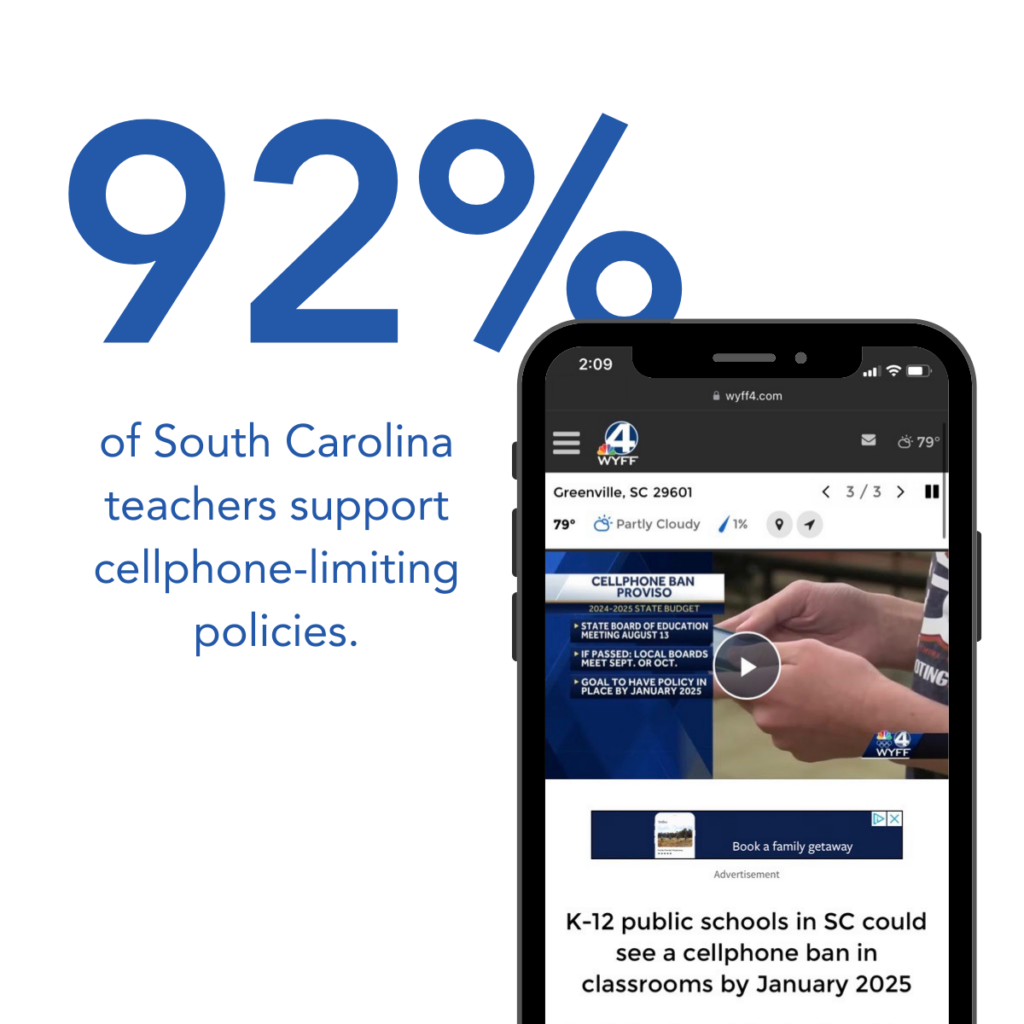
South Carolina Superintendent of Education Ellen Weaver sent a brief survey to teachers in May on the usage of cellphones in schools, garnering around 10,000 responses. According to the responses, 83% of high school teachers indicated that phones distract students in the classroom. [Ninety-two percent] of teachers support a cellphone-limiting policy, while 55% supported a complete ban within the school day.”
That survey sparked a big response from the South Carolina Department of Education, which drafted a policy to “create a phone-free school environment that fosters a positive learning experience free from electronic distractions. “The policy intends to enhance the classroom environment by prohibiting personal electronic devices during the school day.
The state Board of Education formally adopted the policy on Sept. 3, meaning that district schools must implement it to receive state funding according to Proviso 1.103. The initiative was named Free to Focus SC and aims to “create a phone-free school environment that fosters a positive learning experience free from electronic distractions.”
“Research and feedback show that the widespread use of smartphones in schools has created serious academic, mental health, and discipline challenges…”
– South Carolina Superintendent of Education Ellen Weaver
“Research and feedback show that the widespread use of smartphones in schools has created serious academic, mental health, and discipline challenges,” Weaver said. “With this policy, South Carolina students will be free to focus on their academic future and building life-long friendships in a safe environment, while South Carolina educators are free to focus on teaching.”
Louisiana joined the list of states cracking down on cell phone usage during school earlier this year. SB 207 passed with an 84–13 vote and was signed into law by Gov. Jeff Landry just in time for the 2024-25 school year. Sen. Beth Mizell, the primary author of the bill, said a working group coordinated by a Louisiana superintendent illuminated the issue inspiring the bill.
“The number one recommendation in this working group of about 50 teachers was the cell phone situation, having to constantly correct kids or trying to get the kids’ attention away from their phone.”
– Sen. Beth Mizell, Primary Bill Sponsor
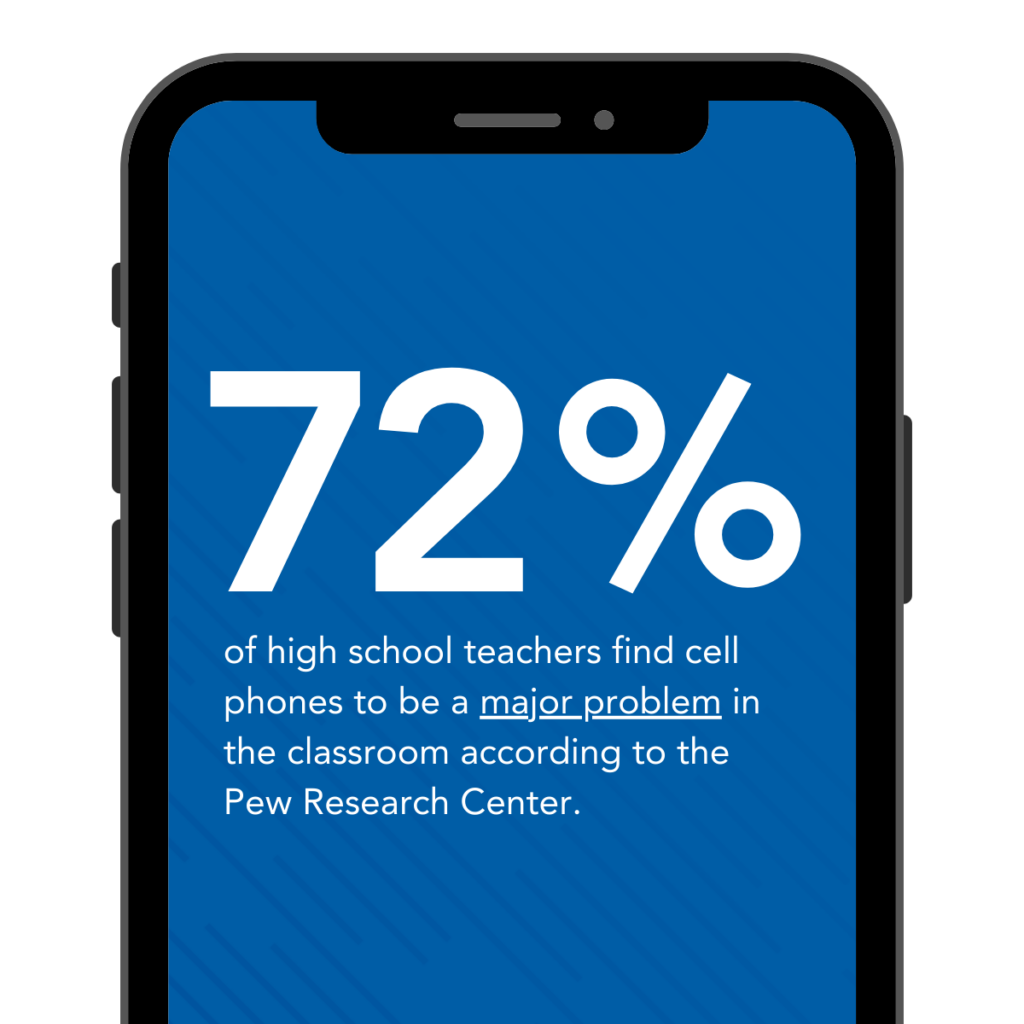
This echoes a recent Pew Research analysis, which found that 72% of high school teachers find cellphones to be a major problem in the classroom.
However, it isn’t just the distraction from schoolwork that inspires these bills. Many legislators, administrators, teachers and parents are concerned about social media use as a tool for bullying and harassment.
Studies have yet to determine whether cellphone bans effectively reduce cyberbullying and online harassment. Research, though, shows that prolonged social media usage does contribute to the growing youth mental health crisis.
In July, Gov. Glenn Youngkin issued an executive order directing the Virginia Department of Education to draft guidance for schools to establish policies and procedures for cellphone-free education, citing youth mental health as a concern.
“Implementing cell phone-free education in Virginia’s K-12 public schools is critical, especially given youth chronic health conditions, such as depression and anxiety, that are driven in part by extensive social media and cell phone use,” Youngkin’s office said in a press release.
– Press Release Issued from Gov. Glenn Youngkin’s Office
Florida’s HB 379 (2023) specified ramifications of cellphone usage on student mental health within the bill, specifically stating “the negative effects of social media on mental health, including addiction; the distribution of misinformation on social media; how social media manipulates behavior …” and more.
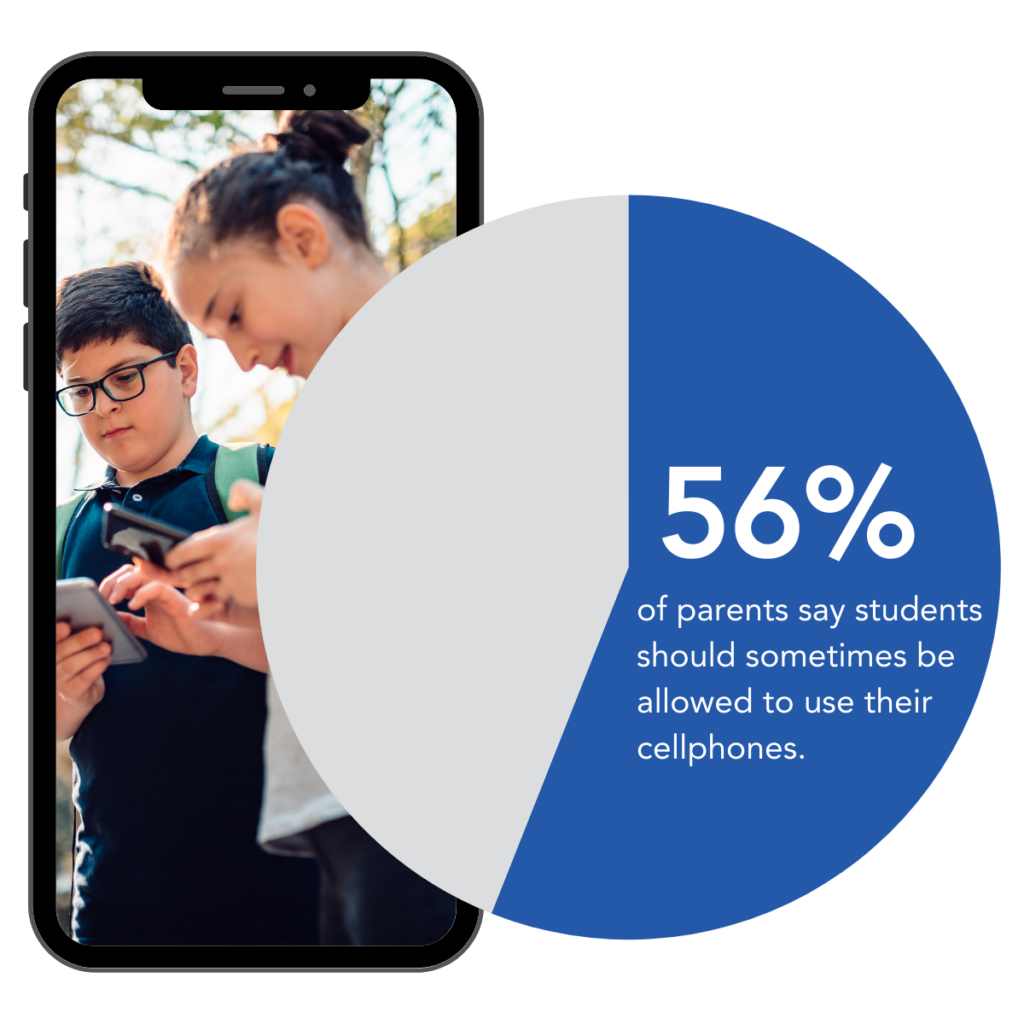
Dissenters of anti-phone bills feel students should always be able to reach an emergency contact, if necessary. Parents are torn by wanting their kids to be more focused in class while also being able to contact them in a worst-case scenario. In fact, 56% of parents surveyed by the National Parents Union indicated students should sometimes be allowed to use their cell phones during the school day.
“What I hope, beyond the fact that kids can focus on the academics, is that students really make the most opportunity they can in the school environment and that they get the social skills of actual talking face to face.”
– Press Release Issued from Gov. Glenn Youngkin’s Office