

By Kate Ritchie, CSG Corporate Relations Fellow
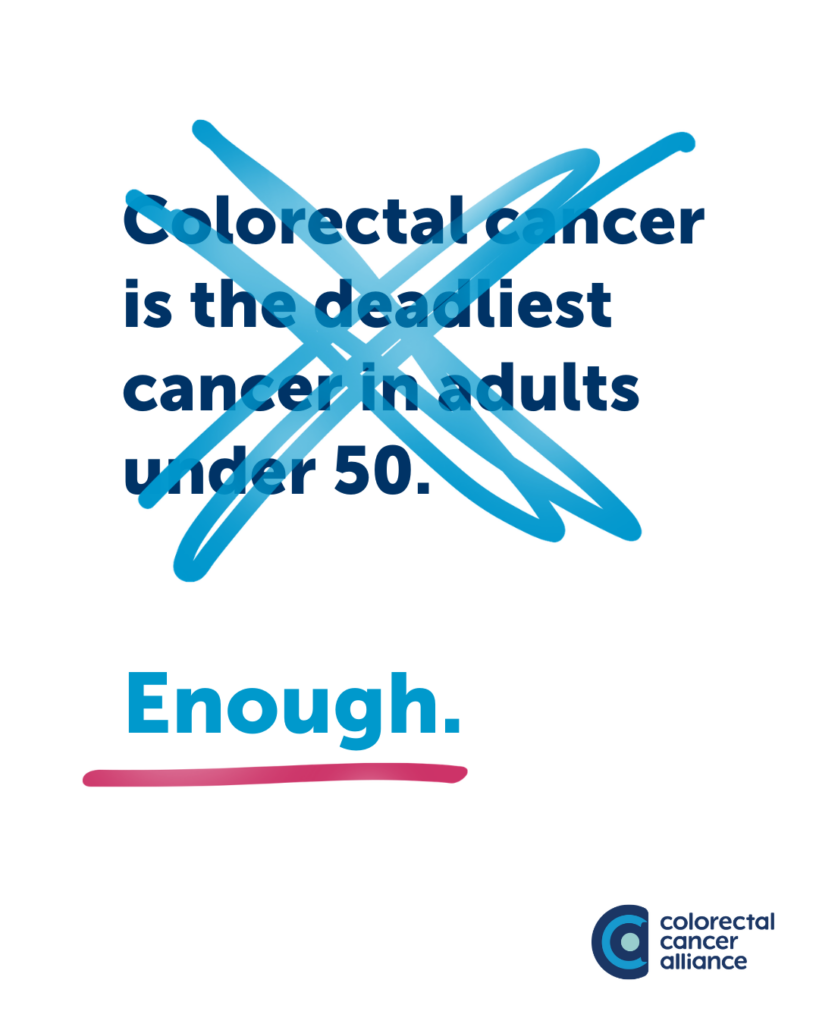
A new national survey shows that more than half of American adults are not aware that colorectal cancer is the leading cause of cancer deaths in both men and women under the age of 50. The survey, commissioned by the Colorectal Cancer Alliance, shows a stubborn gap in public understanding, a misconception that could delay prevention or diagnosis of one of the most preventable cancers.
“Colorectal cancer is highly preventable, and it’s usually cured when caught early,” said Richard Wender, M.D., medical adviser to the Colorectal Cancer Alliance and professor at the Perelman School of Medicine at the University of Pennsylvania. “We can save lives by starting conversations sooner, taking symptoms seriously, and ensuring people have access to accurate information and screening options.”
The Alliance’s 2026 State of Screening Study, conducted by Wakefield Research, found mixed results when asking a nationally representative sample of U.S. adults about their views on colorectal cancer. For instance, more than 80% of study respondents said they view colorectal cancer screenings an essential part of self-care, adding that they would be comfortable talking openly about their screening experience if it would help encourage others to get screened. Additionally, 96% of respondents added that they would be more likely to undergo screening if they knew that colorectal cancer could be prevented through early detection.
Yet the study also revealed critical knowledge gaps regarding the screening process. For instance, more than one-third of Americans were unaware of the range of screening options, including colonoscopies, stool tests, CT colonography, and flexible sigmoidoscopy. And many respondents said they failed to follow-through on their plans for screening. Some 26% of those who were advised to be screened said they never did so; and 59% said they didn’t realize that a positive, non-invasive test signaled that a follow-up colonoscopy was necessary. This underscores a significant opportunity for cross-sector collaboration to reduce gaps between awareness and action, the study noted.
To help raise awareness, President Bill Clinton designated March in 2000 to be National Colorectal Cancer Awareness month to help raise the profile of the disease and encourage screening and has since evolved into a rallying point for survivors, advocates, and patients alike.
Why This Matters for States
For state leaders, employers, and community health partners, the Alliance’s latest findings point to opportunities to improve health outcomes for their residents. The Alliance, through its Project Cure CRC initiative, is making millions of dollars available to academic and industry researchers worldwide whose work aims to expedite colorectal cancer research and cultivate breakthroughs in cancer diagnosis, treatment, metastasis, and survivorship.
By integrating clear screening education into wellness programs, ensuring communities understand at-home testing options, and strengthening navigation for follow-up colonoscopies, states can pair evidence-based public health strategies with this surge in national research momentum. Together, these efforts can meaningfully lift screening rates, reduce disparities, and advance the goal of ending colorectal cancer in communities across the nation.
Turning Awareness into Action
To accelerate progress, the Alliance is promoting three simple best practices during National Colorectal Cancer Awareness Month:
- Talk early and often. Normalize conversations about colorectal health. Share your experiences and encourage loved ones to meet recommended screening timelines.
- Know your options. From colonoscopies to at-home stool-based tests, there are multiple ways to get started on your own health screening. Understanding these options and talking about them helps more people follow through with their own plans to be screened.
- Treat symptoms seriously — at any age. One-third of adults overall and 45% of those under age 45 report they’ve had stomach or bowel symptoms dismissed by a clinician, a gap that can delay diagnosis among younger adults as early-onset cases rise.
About the Colorectal Cancer Alliance
The Colorectal Cancer Alliance is the nation’s leading nonprofit dedicated to ending colorectal cancer, advancing science and access to screening, and supporting patients and caregivers across the continuum of care. Its 2026 State of Screening Study provides timely insights to help communities, providers, and policymakers close knowledge gaps and improve screening follow-through.
About CSG Associates in Action
Associates in Action articles spotlight CSG Associates’ philanthropic efforts and public-private partnerships making a measurable impact across the states.