Military 101: Understanding Veterans Affairs (VA) Benefits

Military 101: Understanding Veterans Affairs (VA) Benefits

By Morgan Thomas, Policy Associate

Members of the United States Armed Forces have access to a multitude of benefits. The Veterans Benefits Administration provides VA benefits under the U.S. Department of Veterans Affairs, some of which include retirement benefits, disability compensation, educational assistance and health care. Whether you are Active Duty or a member of the reserve component, a service member may qualify for one or more of these VA benefits.

Retirement Benefits

One of the main attractions to a career in the military is the retirement benefits. A federal retirement in the military grants you access to retirement pay, base Commissaries, Base Exchange and retired health care plans such as Tricare Prime and Tricare for Life. Any service member may retire with federal retirement benefits after completing a minimum of 20 years of Total Active Federal Military Service (TAFMS), which is used to calculate how much qualifying active-duty time a service member has accrued. An active-duty pension begins immediately after a service member retires. There are several exceptions to the 20-year rule, of which includes disability retirements or service members who qualify for early retirement under the Temporary Early Retirement Authority (TERRA).

Members of the reserves and National Guard may also retire after 20 years of service. The reserve component uses a point system under the Reserve Retirement System to calculate their TAFMS time. However, a reserve pension does not typically begin until a retired service member turns 60, with the exception of prior active-duty military service.

Additionally, active-duty service members and members of the reserve component can contribute to their retirement without completing a 20-year service time commitment through the Blended Retirement System (BRS). The BRS was first introduced as a part of the National Defense Authorization Act of 2016 and combines the traditional military pension plan with a Thrift Savings Plan (TSP). TSP is a retirement savings plan for service members that allows them to make contributions throughout their service even if they decide not to serve for 20 years. If an individual chooses, a TSP can be rolled into another 401(k) after separating from the military. Alternatively, a service member may leave their funds in their TSP account until they are ready to retire. Service members enlisted in the armed forces after January 1, 2018, were automatically enrolled in the TSP program.

Education Benefits

In addition to retirement benefits, one of the main attractions to a career in the armed forces is VA education benefits. Some of the most notable VA education benefits are the Post-9/11 GI Bill, the Montgomery GI Bill Active Duty, the Montgomery GI Bill Selected Reserve and the Veteran Readiness and Employment (VR&E) program. Each of these education benefits offers its own unique coverage of tuition, fees, a book stipend, housing stipend, or a combination of one or more. Currently, the Post-9/11 GI Bill is the only education program that can be or dependent once certain qualifications by the service member have been met. Each education benefit has its own unique set of requirements based on a member’s service component.

VA education benefits are available to active-duty service members, the National Guard and the reserves with qualifying active-duty service time. In addition to VA education benefits, National Guard members may receive up to 100% state tuition assistance for attending specific schools within a state or may be eligible for additional state education benefits.

Disability Compensation

Many service members may obtain a service-related injury while serving on active duty. Disability compensation is a monthly, tax-free benefit that is paid to Veterans who receive at least a 10% disability rating due to injuries or diseases that were incurred or aggravated while serving on active duty or active-duty training. A service member may also receive disability compensation for post-service disabilities that appear later but result from their time in service.

Members of the National Guard and the reserves may also receive VA disability compensation so long as their service-connected disability was incurred while serving on federally qualifying active-duty orders. A Guardsman may be eligible to receive state disability compensation for injuries incurred while not serving on federal orders.

Healthcare

Active – duty service members, Guardsmen, reservists, retirees and their dependents – and in some cases former spouses – are eligible to enroll in a health care program called TRICARE provides access to both civilian healthcare networks and the Military Health System (MHS), which is comprised of Department of Defense military hospitals and clinics worldwide. The program provides coverage access through authorized civilian health network providers based on region and non-authorized providers, depending on which TRICARE health plan an eligible service member has. TRICARE also offers the TRICARE Overseas Program for active – duty service members and their eligible family members who are located in geographical areas outside of the U.S.

There are also additional VA healthcare benefits aside from TRICARE such as the Program of Comprehensive Assistance for Family Caregivers (PCAFC) and the Civilian Health and Medical Program of the Department of Veterans Affairs (CHAMPVA). TRICARE, PCAFC, CHAMPVA and other VA healthcare programs are available to eligible service members and their families in both the active duty and reserve components

Additional Benefits

The VA also offers additional benefits such as VA home loans and life insurance, as well as benefits specific to . All VA benefit programs have their own unique eligibility requirements for active-duty service members and members of the reserve component.

Members of the National Guard may be eligible to receive some or all VA benefits based on qualifying active-duty service. For VA benefits, federal active-duty service is determined by the length of full-time active-duty service on Title 10 or Title 32 orders (link to Military 101: Orders). It is important to note that a service member may not receive access to one or more VA benefits if they receive a from any branch of service.

For more information on benefits eligibility, visit the U.S. Department of Veterans Affairs benefits webpage.

Model Career Programs Set Kentucky Apart as Apprenticeship Ambassador

In 2022, the Kentucky Department of Education’s Office of Career and Technical Education was among the inaugural selections of the U.S. Department of Labor’s Apprenticeship Ambassador Initiative. Kentucky’s commitment to high-quality apprenticeship programs is setting a national example, with the state recognized for its innovative Tech Ready Apprentices for Careers in Kentucky (TRACK) initiative and Registered Apprenticeship Programs.

Continue reading

Military 101: The U.S. Marine Corps

Military 101: The U.S. Marine Corps

15th MEU Marines hit sand running in Kuwait [Image 3 of 5] KUWAIT 08.17.2015 Photo by Cpl. Elize McKelvey 15th Marine Expeditionary Unit

By Joe Paul, Policy Analyst

The United States Marine Corps is a branch of the United States Armed Forces operating under the Department of the Navy. Overall, the Marine’s mission is to provide power projection from the sea by utilizing the U.S. Navy’s resources to rapidly deliver multi-skilled forces and strategies. The Marine Corps works with the Navy, Army, Air Force and other branches. The Marine Corps is known for its focus on expeditionary warfare and the ability to quickly respond to crises around the world. The mission of the Marine Corps can be summarized by its motto: “Semper Fidelis,” meaning “Always Faithful.”

History

The Marines were formed on Nov. 10, 1775, during the American Revolutionary War. Originally established as the Continental Marines to serve aboard naval vessels, the Marines have since evolved into a versatile and elite fighting force. Throughout their history, the Marines engaged in numerous conflicts and operations, playing a pivotal role in defending the nation’s interests at home and abroad, including raids on the Bahamas and Nova Scotia during the Revolutionary War and alongside French troops in the war against the Barbary States.

The Marine Corps was instrumental in the Mexican-American War, including the battle of Chapultepec which inspired the Marine Corps Hymn “The Halls of Montezuma.” During the Mexican-American War, the Marines earned the name “leatherneck” for the thick leather collars they wore to ward off saber blows.

In World War I, Marines fought in significant battles like Belleau Wood in France, earning them the nickname “Devil Dogs” from German forces. In later conflicts Marines continued to be known for their success in harsh conditions. This includes the battles of Guadalcanal, Tarawa, Iwo Jima and Okinawa in World War II, the Battle of Chosin Reservoir during and in major battles like Hue City and Khe Sanh during the Vietnam War.

After the Vietnam war, the Marines adapted and modernized to the changing military landscape by participating in peacekeeping missions and the Gulf War of 1990-1991. Following 9/11, the Marines conducted combat missions in Afghanistan and Iraq, along with training local security forces.

Marine Corps Key Sectors

Infantry: As the backbone of the Marines, infantry units engage enemy forces on the ground. They may operate in various physical environments. Marines are trained and equipped for ground combat operations, including riflemen, machine gunners, mortarmen and anti-tank missilemen.

Aviation: The Marines operate a wide range of aircraft, including fighter jets, helicopters, transport planes and unmanned aerial vehicles. Aviation units provide close air support, transport, reconnaissance and other services to support ground forces. Aviation roles include pilots, aircrew, maintenance personnel and support staff.

Logistics: Logistics units supply and sustain Marine Corps operations around the world. This includes transportation, supply chain management, maintenance and other logistical support functions. These units provide supplies, transportation, maintenance and other logistical support to units in the field.

Armor and Artillery: The Marines’ armor and artillery units provide firepower and support to ground forces. This includes tanks, artillery guns and other heavy weapons systems used to suppress enemy positions. The unit also provides fire support to infantry units including cannons, rockets and missiles.

Special Operations: The Marines have special operations forces, including Marine Raiders and Force Reconnaissance units, which are trained to conduct missions including direct action, special reconnaissance and unconventional warfare. This includes Marines trained in gathering, analyzing and disseminating intelligence to support decision-making.

Other units include engineering and communications. Overall, the Marines are a versatile force capable of operating in diverse environments and conducting a wide range of missions to protect and advance national interests.

Command Structure

The command structure of the Marines is like the Army’s, with teams, squadrons, platoons, company, battalions, regiments and divisions. Generally, it follows the “rule of three,” meaning there are three lower units within each of the next larger units. Teams consist of three Marines with a corporal as team leader. A squad consists of nine Marines with a sergeant as the squad lead. Platoons consist of 27 Marines with a lieutenant in command. Divisions consist of 6,561 Marines and are commanded by a major general.

Rank

Again, the rank structure of the Marine Corps mirrors the Army’s as they both have enlisted personnel and commissioned officers. Enlisted ranks range from private to sergeant, while officer ranks range from second lieutenant to general. Marine Corps ranks also include the unique title of “marine gunner,” which is a warrant officer ran

Enlisted Ranks

Officer Ranks:

Private (E-1)  

Private First Class (E-2)

Lance Corporal (E-3) 

Corporal (E-4)

Sergeant (E-5)

Staff Sergeant (E-6)

Gunnery Sergeant (E-7)

Master Sergeant (E-8)

First Sergeant (E-8)   

Sergeant Major (E-9) 

Second Lieutenant (O-1)

First Lieutenant (O-2)

Captain (O-3)

Major (O-4)

Lieutenant Colonel (O-5)

Colonel (O-6)                                                 

Brigadier General (O-7)

Major General (O-8)

Lieutenant General (O-9)

General (O-10)

The highest-ranking enlisted member of the Marine Corps is sergeant major. The highest-ranking officer is the commandant of the Marine Corps. Marines can also hold rank as a warrant officer in specialties from W-1 through W-5. Warrant officers are officer-level technical specialists in a particular field that provide leadership, training and extensive knowledge to the Marines in their occupational specialty. Five-star generals only exist during times of war.

The Roles of the Marine Corps

The Marines are a rapid-response force capable of a wide range of military operations. It’s website states “the mastery of the (sic) evolution in warfare is what allows (the Marines) to punch above their weight class. It is what keeps the U.S. Marine Corps, a small but effectively lethal service, respected by our allies and feared by enemies around the globe.”

The primary, yet evolving roles of the Marines include:

  • Amphibious operations: The Marines conduct amphibious assaults with naval vessels and aircraft to project power ashore from the sea.
  • Combat operations: The Marines form highly trained units equipped to engage in ground combat operations that neutralize enemy forces, seize and hold territory to further tactical, and strategic objectives.
  • Force projection: The Marine Corps strategically maintains forward deployed units. These units respond to military contingencies and crises, like natural disasters, at short notice. These units support allies, deter threats and conduct special operations in support of national objectives.
  • Security operations: The Marines provide security for military installations, diplomatic facilities and other strategic installations. They also promote stability in conflict areas by performing operations for peacekeeping and humanitarian missions.

For administrative purposes, The Marines are divided into four groups:

  • Operating forces — the fighting force.
  • Headquarters — Marine leadership.
  • Support — Logistical support.
  • Marine Corps Reserve — Civilian reinforcements ready to support the Marines in major combat, humanitarian and emergency operations.

"Marines, war is evolving – but that is nothing new. We evolve our equipment, training, and tactics to stay ahead of our adversaries. This evolution may change the shape of our formations or the technology we fight with, but it will never change the fundamental nature of our Marine Corps, nor the significance of each Marine. We have adapted alongside the changing character of war for centuries – we are still on top, and we will stay there."

Mental Health Matters: Expanding Access to Workplace Care and Supports

Of the 167.9 million workers across the nation, many are impacted by some level of work-related stress daily. According to a survey by The American Institute of Stress, 83% of U.S. workers experience such stress, which can affect a person’s health, relationships, productivity and job performance. Poor workplace environments where discrimination, inequality, excessive workloads, low job control and job insecurity exist can contribute to mental health conditions. As a result, employers may face absenteeism, low employee productivity and an increase in stress-related worker injuries. The impact on U.S. employers is more than $300 billion in losses annually. Conversely, workplaces that prioritize mental health often contribute to recovery and inclusion, improve confidence and social functioning and improve worker productivity. State governments and other employers can implement a range of strategies designed to mitigate negative impacts, boost employee well-being and build a more inclusive workforce.

These issues were a focus of the Mental Health Matters: National Task Force on Workforce Mental Health Policy convened by The Council of State Governments and the National Conference of State Legislatures, in collaboration with the State Exchange on Employment & Disability (SEED), which is a unique state-federal collaboration funded by the U.S. Department of Labor Office of Disability Employment Policy. The task force engaged state policymakers and subject matter experts from across the country to explore policy options and actions taken by states to address major workforce challenges and barriers to employment for people with mental health conditions. Four task force subcommittees explored specific issues. 

The Workplace Care and Supports Subcommittee identified inclusive workforce strategies state governments can use to foster worker well-being. These include developing employee wellness programs and drug-free workplace initiatives as well as providing reasonable accommodations for employees with mental health conditions.

Workers stand to benefit significantly from employee wellness programs. These programs are proven to reduce disease risk factors and increase healthy behaviors among employees and can lead to lower health care costs and utilization. According to a study by the Society for Human Resource Management (SHRM), the SHRM Foundation and Otsuka Pharmaceutical Co., Ltd., 78% of organizations in the U.S. offered workplace mental health resources in 2022 or planned to offer them in 2023. Many states offer wellness programs for public sector employees, but some have taken additional steps to incentivize private employers to adopt or expand services under these programs. For example:

  • In 2009, North Dakota launched a Worksite Wellness Program initiative in partnership with the Dakota Medical Foundation, Blue Cross Blue Shield North Dakota and the Department of Health to improve employee engagement with worksite wellness programs. The initiative provides implementation resources and training to organizations across the state.
  • Pennsylvania Executive Order 1996-10 (1996) establishes its State Employee Assistance Program to provide its employees and their family members with free, confidential assessments and referral services. The program includes:
    • Financial, legal and emotional support services.
    • Six free counseling sessions per year.
    • Resources for individuals with substance use disorder (SUD).
  • Wisconsin SB 73 (2013) provides an income and franchise tax credit to small businesses that offer workplace wellness programs. The credit equates to 30% of the amount spent by the employer to provide the program in a taxable year.

Another strategy for supporting employee mental health is implementing ready-recovery workplace programs. According to the U.S. Department of Labor, such efforts encourage treatment and support recovery for employees with SUD. Approximately 13.6 million adults with SUD are employed in the U.S., comprising nearly 9% of the adult workforce. Drug-free workplaces improve productivity, decrease absenteeism and reduce the risk of workplace accidents or injury. These programs range from providing treatment options to those who fail drug screenings to establishing court diversion programs.

  • New Jersey SB 524 (2023) creates the Mental Health Diversion Program to divert eligible individuals with SUD away from the criminal justice system and into appropriate case management and mental health services.
  • Kentucky SB 191 (2020) permits employers to hire and retain individuals who fail a drug screening if the employee completes a drug education and addiction treatment program. The bill also provides legal liability protections to employers that implement the Kentucky Transformational Employment Program in their workplaces.

Employees with mental health conditions may be negatively impacted by certain factors in an office setting. Helpful accommodations may include flexible or modified work schedules and remote work. As of 2023, 12.7% of full-time employees worked from home, and 28.2% participated in a hybrid model. States are supporting telework in a variety of ways, such as expanding broadband access and granting remote options to public employees.

  • Vermont HB 99 (2013) allows public and private sector employees to request intermediate or long-term flexible work arrangements, such as telework, job-sharing or changes in work schedules.
  • In 2016, Tennessee’sDepartment of Human Resources issued Policy 14-001 to provide guidance on Alternative Workplace Solutions (AWS) for state employees. AWS allows certain employees to have flexible schedules and workspaces and has been used as a model for other states. The legislature also appropriated grant funding to improve broadband access in underserved areas.

Additional examples of state telework policies can be found in The Council of State Governments brief Disability-Inclusive Telework for States: State Approaches to Increasing Access & Inclusion. For more information about these findings and others, visit the “Mental Health Matters: Framework on Workforce Mental Health Policy.” This resource outlines policy options to recruit and retain qualified mental health providers; increase access to workplace care and supports; address the unique needs of underserved communities; and enhance mental health parity. Such practices are vital to solve the mental health crisis — and build a stronger, more inclusive workforce and economy.

World Mental Health Day

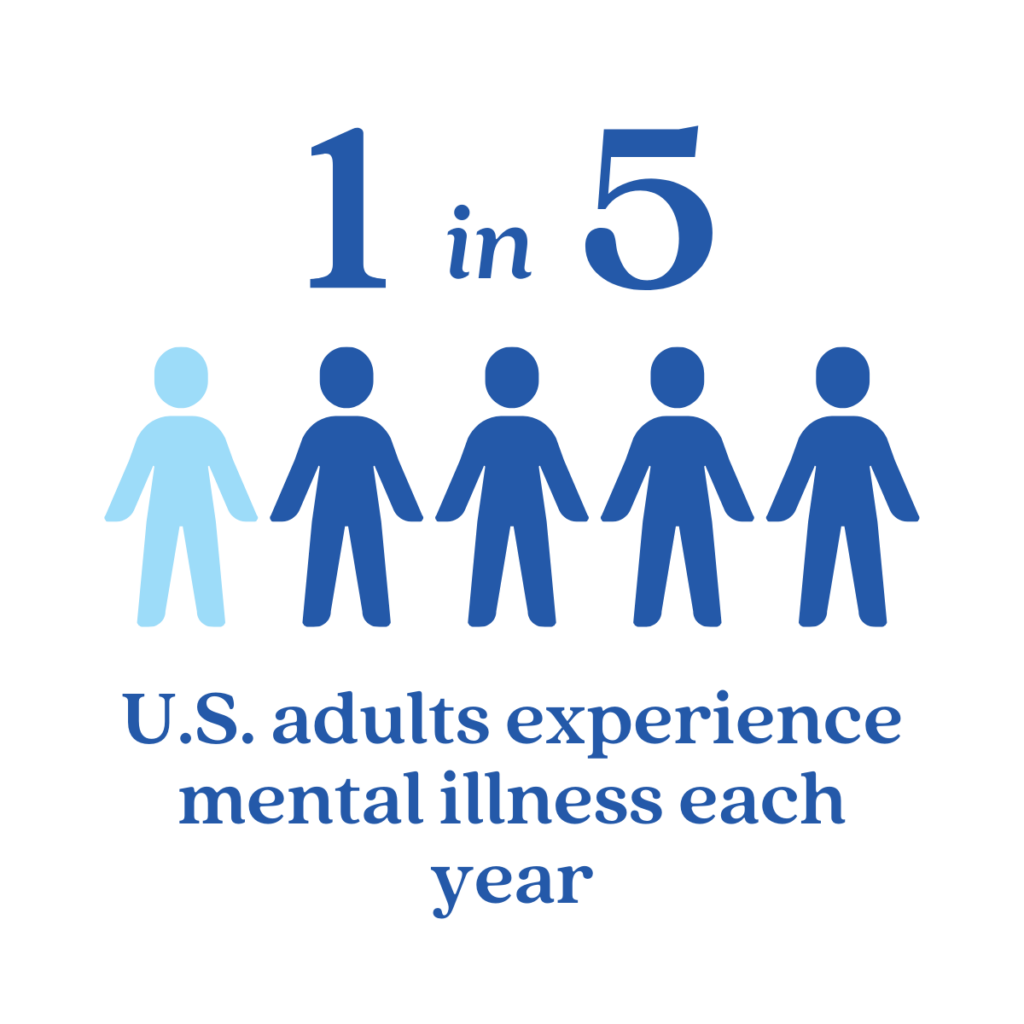
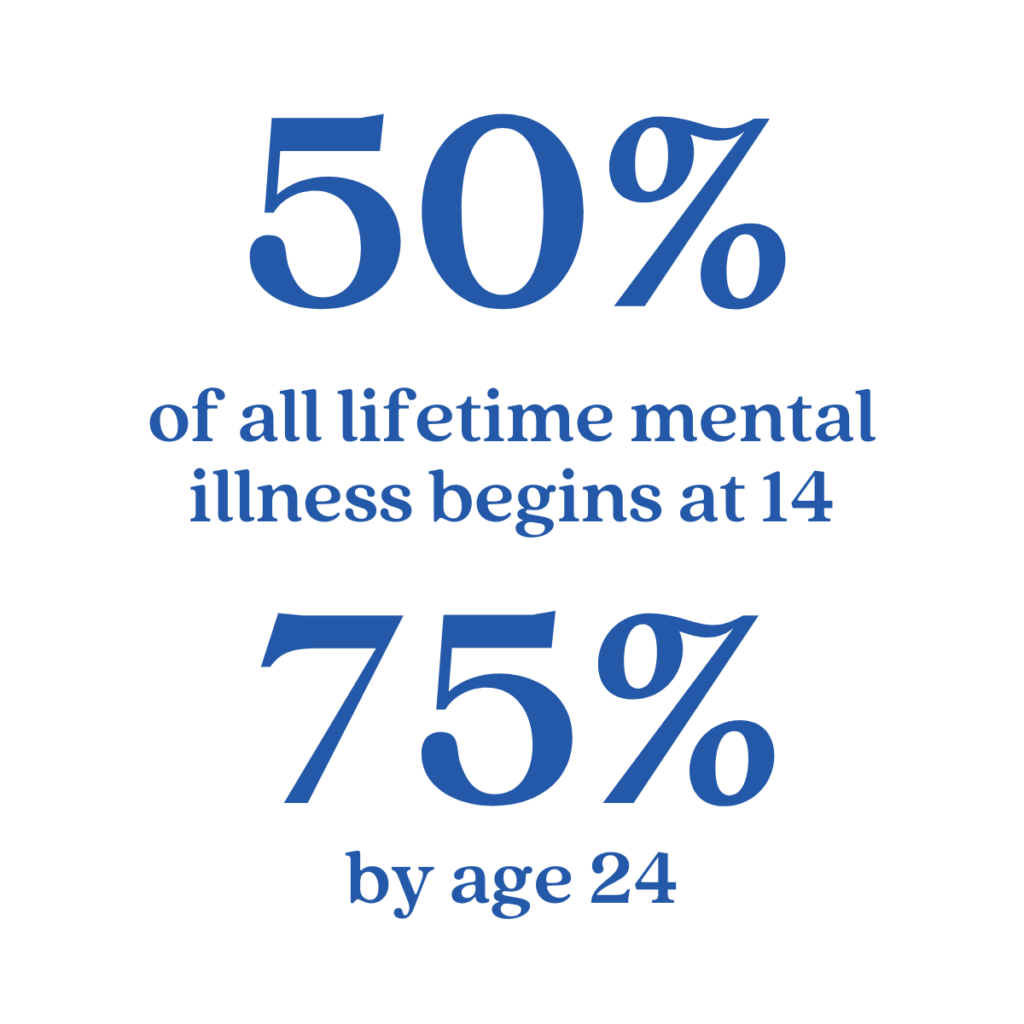
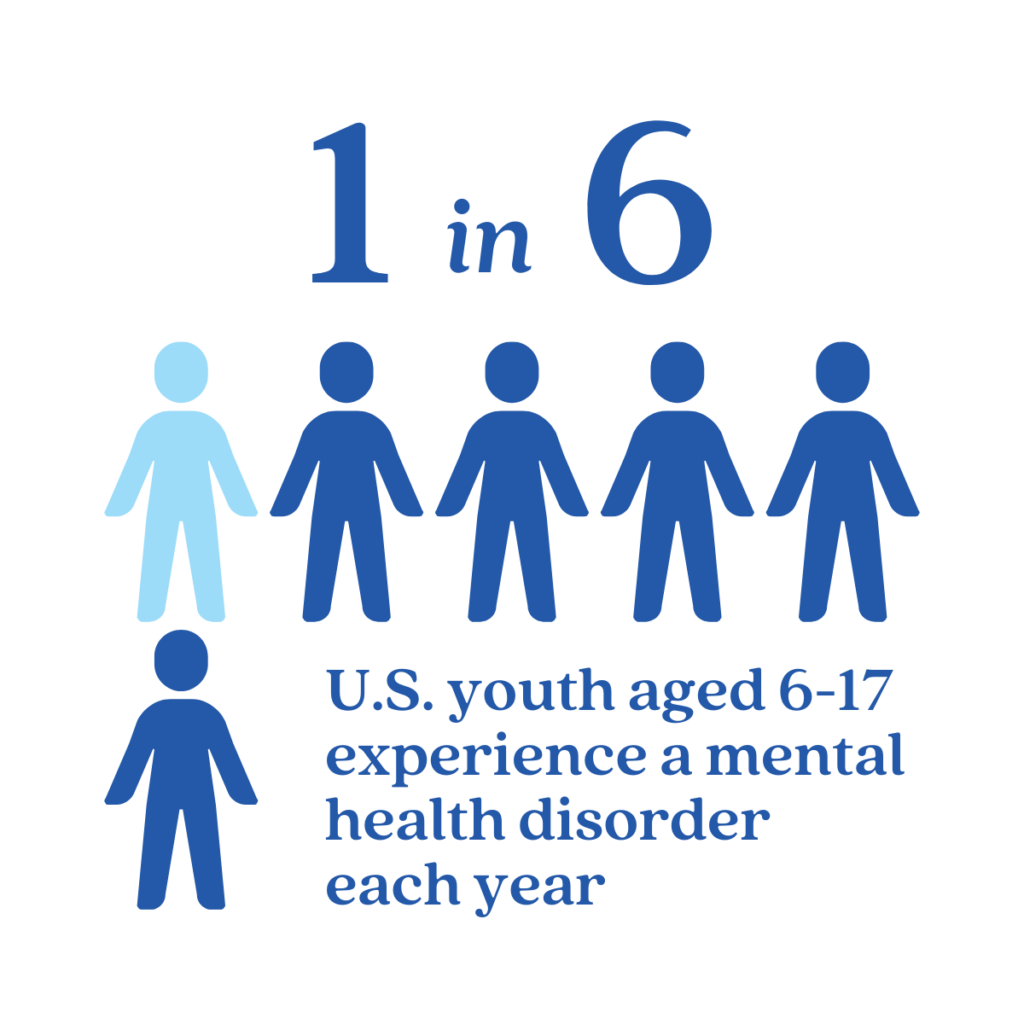
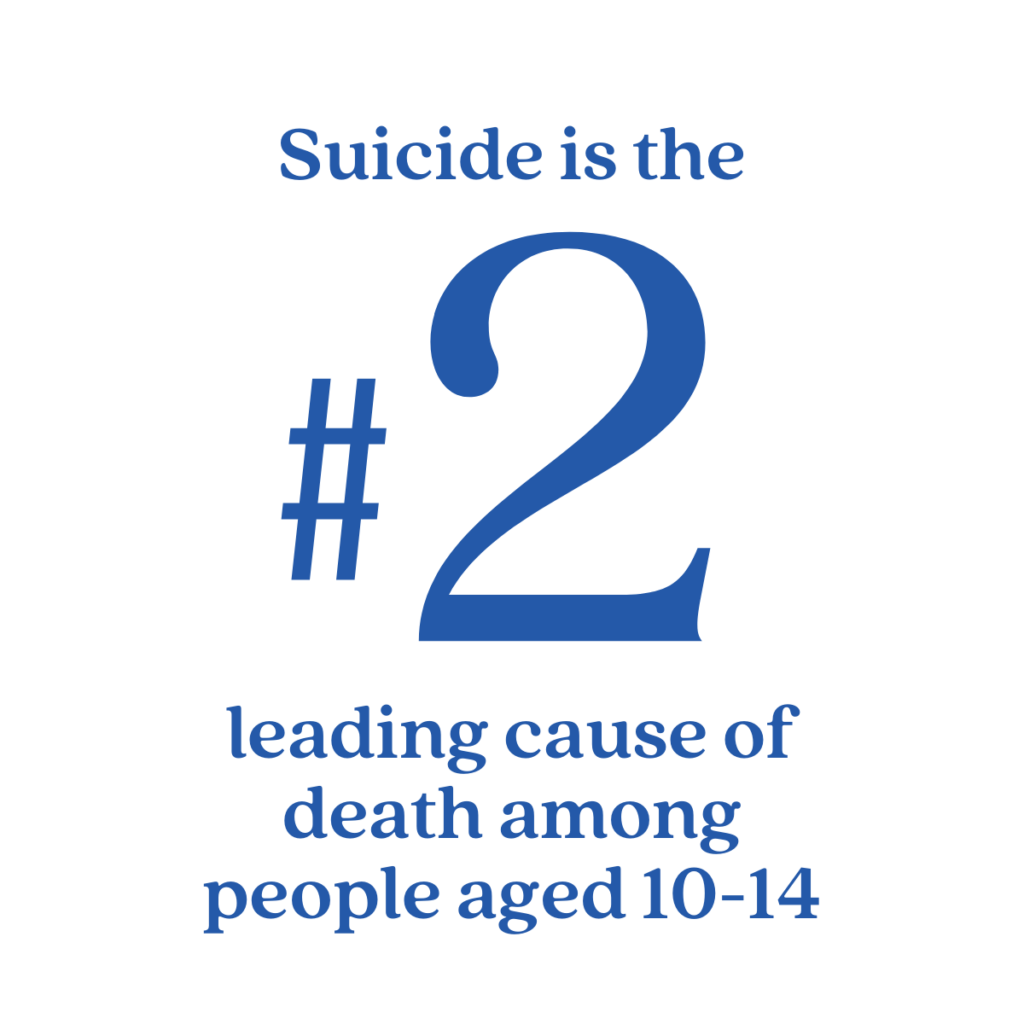
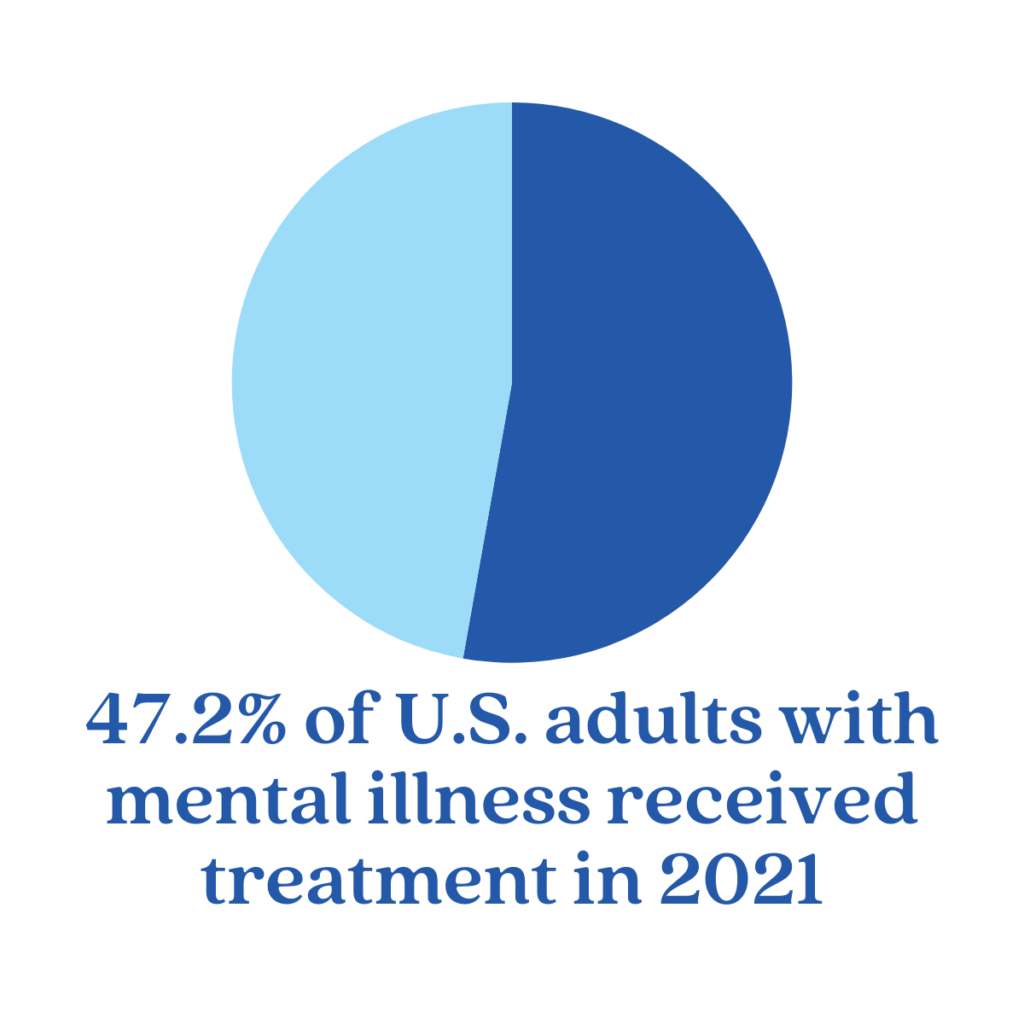
Data from the National Alliance on Mental Illness (NAMI).

Mental health has become a critical policy priority for U.S. states. States are implementing various strategies, including expanding access to services, increasing funding for mental health programs, and addressing the stigma surrounding mental health.

Comprised of 45 member states and the District of Columbia, the Compact on Mental Health establishes a legal framework for improving the quality and speed of responses to mental health issues within the states.

Public sector workers are necessary for effective government, as they provide important services for all residents, and, oftentimes, are on the frontlines during economic downturns, disease outbreaks and political turmoil.  States are implementing strategies to enhance access to mental health resources and fostering supportive workplace environments.

The Mental Health Matters: National Task Force on Workforce Mental Health Policy, convened by the State Exchange on Employment & Disability (SEED), developed resources and policy frameworks that effectively support workers’ mental health needs and bolster the behavioral health care work force.

It’s a Grand New Flag!

By Trey Delida

“Let’s run it up the flagpole” is a figurative phrase legislators use when workshopping a new idea. Recently, however, the phrase has taken on a literal meaning as a number of states have introduced or approved a major redesign of their state flags.

“In the last 20-25 years, there are two fundamental reasons why states are changing their flags. The first is offensive symbolism. The second is poor design,” according to Ted Kaye, secretary of the North American Vexillology Association (NAVA).

Kaye has been involved in several flag redesigns in the states and internationally in the past two decades. In 2016, he compiled the works of 20 vexillologists/vexillographers into a booklet entitled, “’Good’ Flag, ‘Bad’ Flag,” which lists the five principles of good flag design. These guiding principles are often referenced in the flag redesign process and have become a touchstone for the creation of new flags.

The Five Principles of Flag Design

Based on these principles, states like Arizona, New Mexico, Texas, Colorado, Alaska, Maryland and South Carolina exhibit the qualities of good flag design through their simple yet memorable composition.

Almost 20 years ago, NAVA administered a survey asking people to rate the design qualities of U.S. and Canadian state, provincial and territorial flags. The resulting report was disseminated to media groups across the country with varying reactions, which Kaye believes changed how states viewed their flags.

“It was really the first time on a national scale, that state flags were compared to each other and shared with the public,” Kaye said. “States are starting to understand that the flag can be an important symbol representing themselves to the rest of the world and their residents. Call it branding, if you wish.”

Recent legislation has shown that lawmakers and voters alike feel that the “seal on a bedsheet” design no longer represents them. Such is the case for states like Utah, which recently voted to raise a new flag.

In 2023, four years after legislation was introduced, Utah Gov. Spencer Cox signed the bill enacting a new state flag. Sen. Daniel McCay, however, became involved much earlier in the process, thanks to the 2015 TED Talk by Roman Mars, “Why city flags may be the worst-designed thing you’ve never noticed.”

“After I watched that podcast, I called up the House sponsor of the bill, Rep. Steve Handy, and said, ‘Steve, I think we might need to do this,’” McCay recalled.

A handful of flag bills failed to pass in 2019 before the passage of SB 48, which was sponsored by Handy and McCay in 2021. The resulting Utah State Flag Task Force, comprised of six subcommittees, launched its “More Than a Flag” campaign that accepted thousands of potential designs from enthused Utahns.

“During the process I talked to thousands of Utahns. I traveled the state and talked to people in grocery stores, I talked to people in hardware stores — anywhere I was for that year and a half, I was talking to people about the flag,” McCay said. “It became this mission in some ways to capture, you know, Utah and make a flag that was representative of that. I was worried about not getting it right.”

The final design resulted from 70 people’s work pieced together to create a more modern emblem representing Utah’s heritage and landscape. Receiving the name “Beehive Flag,” the new design highlights the state’s snow-capped mountains, the southern red-rock canyons, and its historic ties to the early Mormon pioneers through the beehive symbol.

“One thing that I love about the new flag, is that it is 100% about Utah. I think that is a tribute to the iterative, constant public outreach and public process that helped refine the design to make it what it is.”

While Utah’s new flag is largely considered a success, it is not without criticism. Prior to the new flag’s adoption, opponents collected signatures to place the issue on the ballot. While these efforts failed, it is an indicator that this level of change can be difficult for state leaders to navigate. In an effort to find a middle ground, lawmakers moved to keep the original Utah flag as the historic state flag.

On May 11, the North Star State officially adopted its new state flag, replacing the original, which brought up painful memories for Native American communities. The original state crest and flag depicted a white settler farming while a Native American rides off on a horse. Army Capt. Seth Eastman designed the seal in 1858 and his wife’s accompanying poem about the design confirmed its problematic interpretation.

For Sen. Mary Kunesh, a descendant of Standing Rock Lakota, this cause was especially close to home.

Kunesh was a primary author of SF 386 (2023), which passed with bipartisan support and subsequently launched the commission to redesign Minnesota’s flag.

“Not only did the state come to the realization of what that flag depicted, but it also gave a pause to understand the historical context of our indigenous people,” Kunesh said. “It allowed us to create a flag that really represents the Minnesota that we are today.”

Through the State Emblems Redesign Commission, state leaders worked in conjunction with designers, vexillologists and other members of the public to find a design that accurately reflected the state’s diverse communities and history. The Minnesota Historical Society was tasked with providing administrative support, gathering participants from across the state and setting up processes for design submissions and public comments.

According to the report of the commission, a total of 2,128 flag designs were submitted, garnering 21,882 public comments for redesign finalists via the main commission page.

The final design depicts a dark blue interpretive shape of Minnesota’s outline with an eight-point star in the center, representing the night sky and the North Star, or the state’s motto “L’étoile du Nord.” The other side of the flag is a bright blue color, symbolizing water, as Minnesota is commonly referred to as the “Land of 10,000 Lakes.”

One of the most prominent features in the Minnesota State Capitol is the large eight-pointed star on the floor of the rotunda beneath the dome. Throughout history, this star has been used in many cultures across the globe but was used extensively in quilting among Indigenous tribes. A marked difference from the original imagery.

“It’s phenomenal that I, with my Indigenous background and my unique knowledge of the history of Minnesota, was able to do this in partnership with so many people who believed in how important it was,” Kunesh said. “I think this is another indicator that Minnesota is willing to listen and learn and make positive changes.”

This sentiment rings true for Mississippi, which adopted a new flag in 2021 to replace the original which depicted a Confederate flag in the top left corner.

For Utah, a state founded on the principles of hard work, the new flag gives reverence to the original battle for statehood while setting the stage for a new era. Every facet of the new flag is formed out of a hexagon, the strongest naturally occurring shape.

“What I hope about the new flag, and we hope, is that Utah will be known for our strength,” McCay said.

For Minnesota, the new flag symbolizes a change in direction, one that all Minnesotans can stand behind.

“I think it demonstrates that the future of Minnesota is worth working for and worth fighting for,” Kunesh said. “We’re a people that are working hard to achieve inclusion and equality, and by exchanging or removing the hurtful flag that we had before, we’re taking another step closer to the goal of ensuring that we represent a positive Minnesota.”

Other states are still considering legislation that would change or modify their current state flag, including Michigan and Maine. In Illinois, the legislature plans on starting the redesign process later this year.


Statement by David Adkins, Executive Director/CEO of The Council of State Governments on the 80th Anniversary of D-Day

June 6, 1944

“Let’s go.”

With those words, General Dwight “Ike” Eisenhower, the Supreme Allied Commander of Expeditionary Forces, gave the order to commence Operation Overlord, the largest amphibious assault in the history of the world.

The Council of State Governments pauses to remember the tens of thousands of allied troops who came ashore on D-Day and the thousands who perished. Their bravery on this day eight decades ago began the successful liberation of Europe from Hitler’s absolute tyranny. Their heroism preserved the freedoms we enjoy today.

As dawn broke over the English Channel beaches of France today, the sun is setting on the Greatest Generation. The boys who stormed those beaches, many still in their teens, are now centenarians. Soon, the living memory of that day will be extinct. We must keep alive the memory of the soldiers buried in the sacred ground near where they fell. We must remember all those whose preparations, sacrifice and leadership made such an audacious operation a success. This includes the women of America who helped build the weapons essential to winning the war and the marginalized Americans whose patriotism never wavered.

Last June, I walked with my daughter among the graves of the fallen heroes in the American cemetery in Normandy, on the cliff above the beaches. My daughter was then just a few years older than the men whose grave markers were carved with June 6, 1944, as their last day.

We couldn’t imagine how scared they must have been as they entered the battle. We thought of all those they loved back home who would receive a telegram sharing the news of their death. We paused to reflect on the horrors of the concentration camps and the pure evil and brutality of the Nazi authoritarian regime. We hoped that somewhere on another dawn, those who gave the last full measure of devotion were comforted knowing that their sacrifice would help defeat Hitler within just 11 months of D-Day.

We remembered my dad, her grandfather, who left high school early to join the Navy and served in the Pacific. We paused in front of one of the many white marble crosses whose inscription read, “Here rests in honored glory a comrade in arms known but to God.”

It was impossible not to think about all the futures that ended on that day. It was impossible not to be profoundly grateful for what that unnamed young American, and so many others, were willing to do for me, my daughter and the generations of Americans that followed.

The Council of State Governments works to support those who serve our country in uniform abroad and to help the families of service members pursue the American dream.

Through our partnership with the United States Department of Defense, we help service members exercise their right to vote, no matter where they are stationed in the world. Through our National Center for Interstate Compacts, we help state leaders draft and enact multistate agreements to reduce barriers for spouses of service members to practice their profession as they move from state to state.

Additionally, through our affiliated organization, the Military Interstate Children’s Compact Commission (MIC3), we help states ensure that children of military families are afforded the same opportunities for educational success as other children. We are committed to assisting state officials carry out their priority to serve the men and women who serve us in uniform.

While the American, British and Canadian forces that braved the seas and the chaos of war 80 years ago must never be forgotten, we, today, must dedicate ourselves to carrying on in their spirit. Every generation must shoulder the responsibility of citizenship and fight to ensure our freedoms in their own way. I am honored to witness the work of the elected and appointed leaders of state government who boldly do just that every day.

The lessons of D-Day remind us that, as Americans, that which unites us is far greater than that which divides us, that alliances with other nations make us stronger, that freedom is worth fighting to protect. America remains the leader of the free world today because of the everyday men and women whose service makes America great.

In times of crisis, leadership matters.

Today, Europe faces another threat from a dictator. Again, the United States and its allies stand with the people of an embattled European ally, Ukraine, to keep Europe free, preserve democracy and enforce international norms. It is tragic that the lessons of loss war teaches us are lost on Vladimir Putin. It is beyond comprehension that hundreds of thousands of lives have been extinguished because of Putin’s misguided attempt at conquest

D-Day was a turning point in the war. In honor of those brave souls who did their duty on June 6, 1944, we must continue the work of building a safer world and a more perfect union.

Let’s Go.

Relaunch of The National Center for Interstate Compacts Database

The Council of State Governments National Center for Interstate Compacts has relaunched its national database of interstate compacts. The database tracks more than 2,000 interstate compact enactments from nearly 300 different compacts which date back to the founding of the United States. In addition to compact enactment data, the database provides pertinent information regarding interstate compacts and commissions, including the compact model language and the name and website of the commission associated with the compact.

The National Center for Interstate Compacts is one of the most longstanding programs at CSG, providing technical assistance in the development of numerous interstate compacts. In addition, the National Center for Interstate Compacts seeks to educate CSG membership and the public functions of interstate compacts.

According to CSG Chief Public Policy Officer Shawn Jurgensen, the National Center for Interstate Compacts Database will contribute to the success of CSG in the field of interstate compacts and help promote innovative forms of interstate cooperation.

“Some of the greatest policy achievements in the history of the United States have been a result of interstate compacts,” said Jurgensen. “The driver’s license, metropolitan transportation systems in New York City and Washington, D.C., and numerous interstate projects on the protection of natural resources have all been developed through interstate compacts. By providing policymakers and our members with the most comprehensive database on interstate compacts available, we greatly enhance our ability to serve state leaders as they develop innovative interstate solutions. The Council of State Governments is the national leader in interstate compacts and this database will ensure we remain state government’s go-to source in this essential policy area.”

This database will be the most comprehensive collection of interstate compact data available and will allow the public to research interstate compact enactments which span 21 different policy areas and include enactments from every state as well as numerous U.S. territories and Canadian provinces.

CSG staff worked alongside Jeff Litwak, general counsel to the bi-state Columbia River Gorge Commission, adjunct professor of law at Lewis and Clark Law School and contributor to the American Bar Association’s casebook on interstate compact law, to gather information for the database.

“There are numerous resources aggregating the practice and law of interstate compacts, but they are not a substitute for CSG’s database,” said Litwak. “The database is my go-to source for compacts, where I can get copies of states’ enactments and compare them, make lists of compacts for legal briefs and send my students to start their research. The database has also been cited in several court decisions, so we know judges are finding it. It is one of the most valuable compact resources for empirical research.”

CSG invites policymakers, researchers and the public to utilize our database for their work and to gain knowledge on interstate compacts and their impact on shaping the landscape of public policy throughout the country. The National Center for Interstate Compacts hopes that the relaunch of the National Center for Interstate Compacts Database will promote new discussions around interstate compacts so we encourage those who visit the database to provide feedback on how it can better serve their needs.

https://compacts.csg.org/database/