In the wake of the American Revolution, present-day Indiana became part of the U.S.-claimed Northwest Territory and later the Indiana Territory before becoming the 19th state on Dec. 11, 1816.
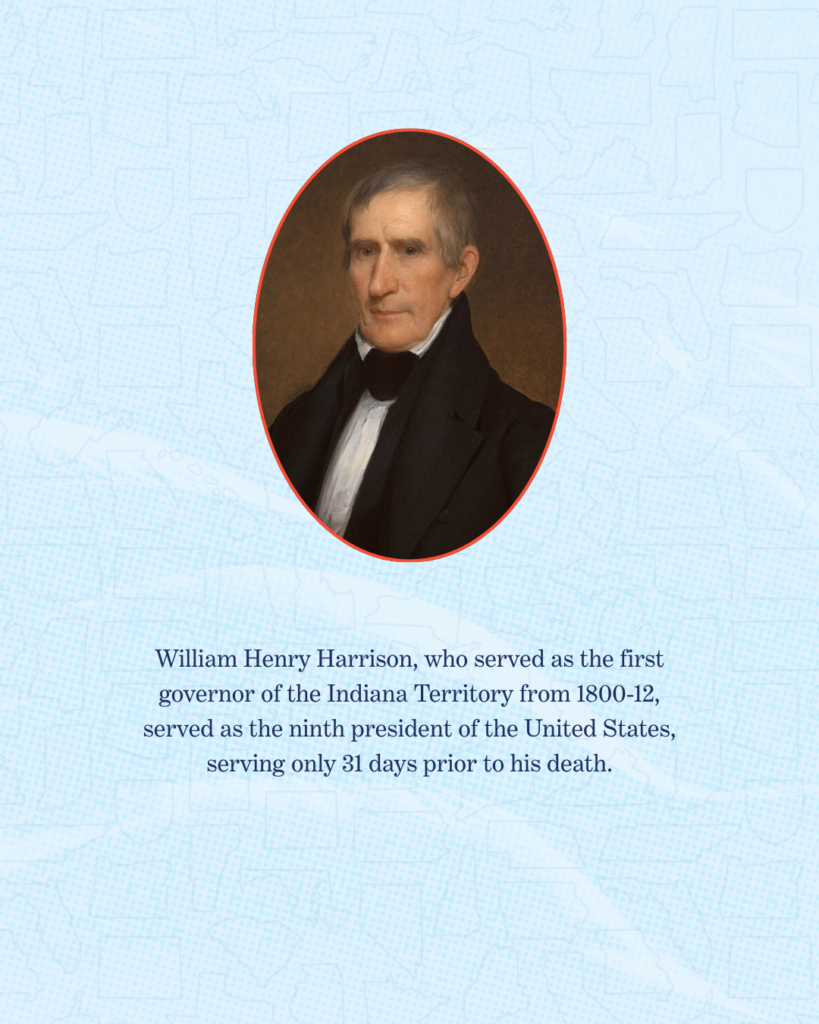
William Henry Harrison, who served as the first governor of the Indiana Territory from 1800-12, worked to gain more land for new settlers, often resulting in treaties or armed conflict with Indigenous groups. Years later, Harrison became the ninth president of the United States, serving only 31 days prior to his death.
Economically, Indiana is one the nation’s leaders in agriculture, routinely among the top producers of corn and soybeans, while also serving as a major supplier of pork, duck, tomatoes, pumpkins and eggs. In the mid-19th century, the state began transitioning into an industrial hub, thanks in part to the railroad’s 1847 arrival in Indianapolis.
The first significant commercial natural gas well in 1886 helped launch the Indiana Gas Boom, and parts of east-central Indiana became known as the Gas Belt. The boom attracted an assortment of burgeoning new industries, including Ball Brothers Glass Manufacturing Company, known for its glass Ball jars. Indiana’s industrial expansion later extended to northwest Indiana, where U.S. Steel began building Gary Works in 1906.
With industry came the automobile. In 1894, Elwood Haynes made one of the first commercially successful gasoline-powered automobiles, the Pioneer, in Kokomo, Indiana. A few years later, Studebaker, previously a manufacturer of horse-drawn carriages and wagons in South Bend, Indiana, began producing electric and gasoline-powered vehicles.
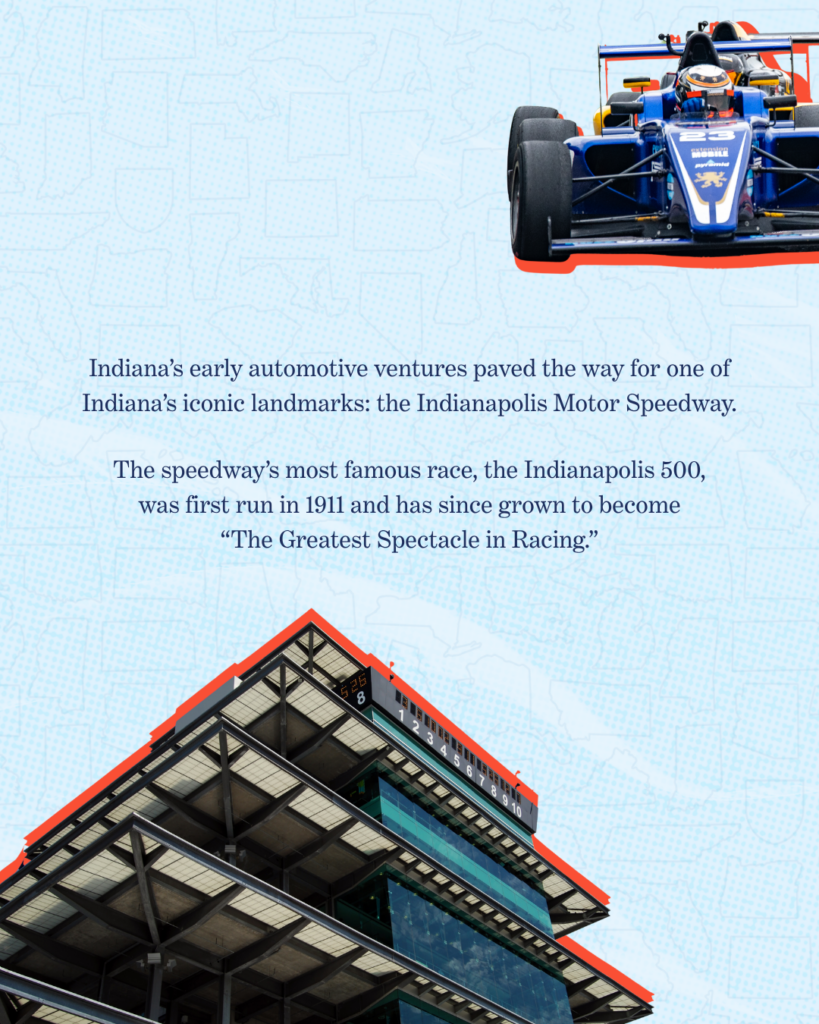
Those early automotive ventures paved the way for one of Indiana’s most iconic landmarks: the Indianapolis Motor Speedway. Originally designed as a testing ground for new vehicles, the Speedway began hosting automotive races. The Speedway’s initial track, made of crushed stone and tar, proved dangerous at high speeds, so the 2.5-mile track was resurfaced with more than three million paving bricks, giving it the famous nickname, “The Brickyard.”
The speedway’s most famous race, the Indianapolis 500, was first run in 1911 and has since grown to become “The Greatest Spectacle in Racing.”
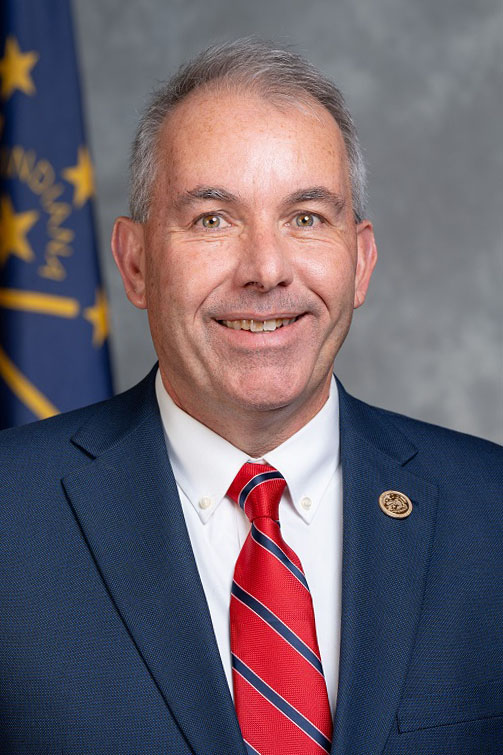
“The Indy 500 takes up the whole month of May with the race on Memorial Day weekend,” said Indiana Sen. Scott Alexander, who represents the 26th District and is a 2024 CSG Henry Toll Fellow. “And it’s a big, big deal — right up there with the other major national sporting events that happen in the U.S., like the Kentucky Derby and the Masters. There’s a lot of history to the event, too. A few years ago, I ran into a guy, probably in his 80s, who said he was 7 years old when he first lobbied to go to the race. He’d never missed a race since, and his motor home displayed all his tickets from over the years. It really is a crazy event that draws people from all over the world.”
Outside of motorsports, Indiana is known for its deep love of basketball. Home to many of the nation’s largest high school basketball gyms and the Indiana Basketball Hall of Fame, the state has long been among the nation’s leading producers of NBA talent.
The love even made it to the silver screen. One of Hollywood’s most famous basketball films, Hoosiers, was inspired by Milan High School’s 1954 Indiana state championship run.
In January 2026, Indiana’s sports world took an unexpected turn. In a state long defined by its love of basketball, Indiana University football seized the spotlight by completing an undefeated season with a national championship.
“That was big news,” Alexander said. “If you’re a sports fan in Indiana, it seems like we usually find a way to mess it up in the end. But that moment never happened, and it was a true Cinderella season. I think nearly everyone across the state became IU fans, and we were all excited to see them succeed.”
Culturally, Indiana has several notable stars, including late-night host David Letterman, singers Michael and Janet Jackson, and basketball legend Larry Bird. Alexander’s district near Muncie is the home of cartoonist Jim Davis, who created the Garfield comic strip, and is tied to painter Bob Ross through the Muncie studio where The Joy of Painting was filmed.
“Our cultural center had to bring back its Bob Ross exhibit that ran there for a long time due to the popularity of people rewatching his show,” Alexander added. “And we get people from all over the world who travel here to see where Garfield was created.”